Shoulder to shoulder: why men lose their friends, and how to get them back
Men don’t talk face to face, they talk shoulder to shoulder. Why so many of us drift to having no close friends, and the simple, male ways back.
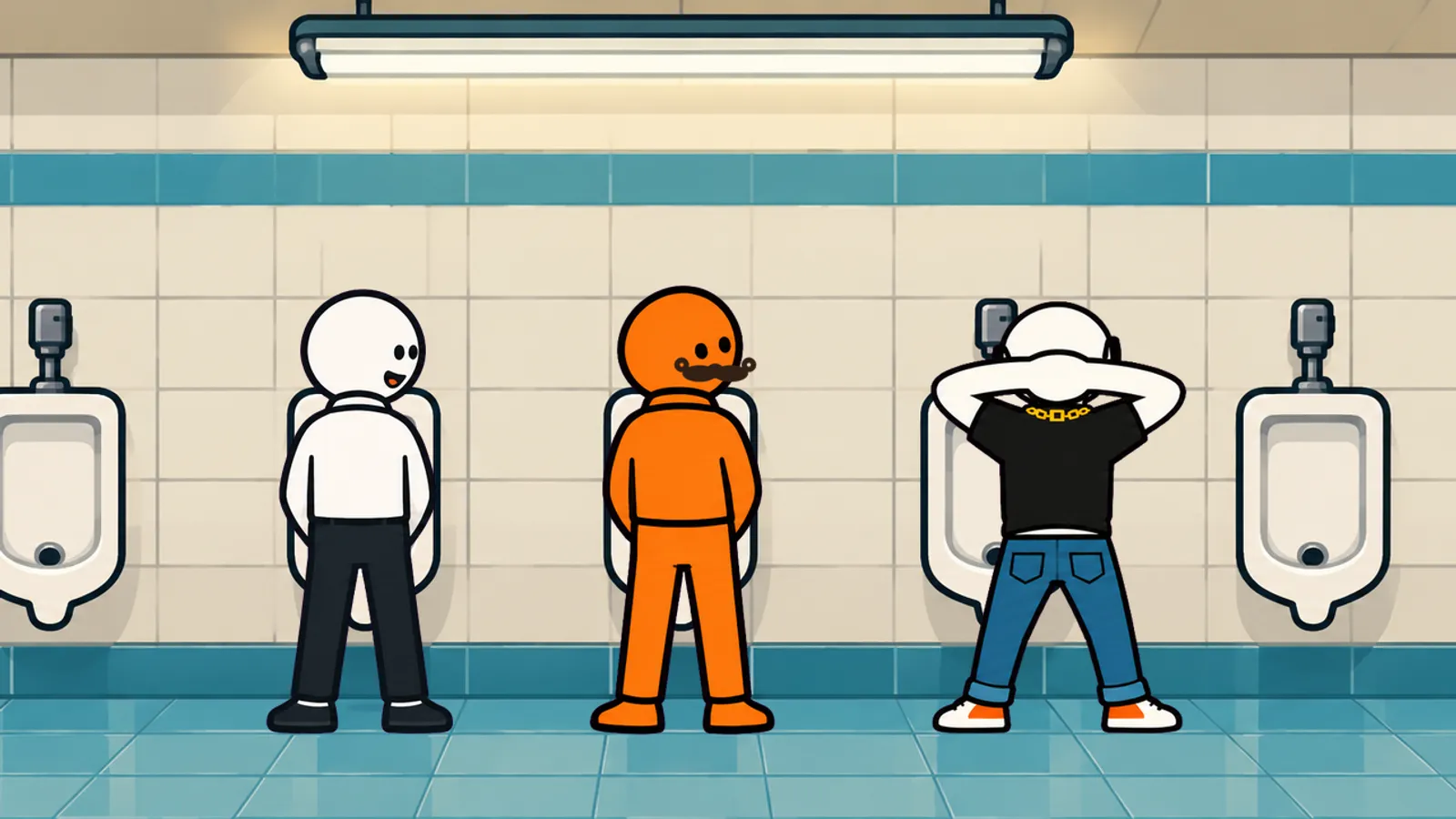
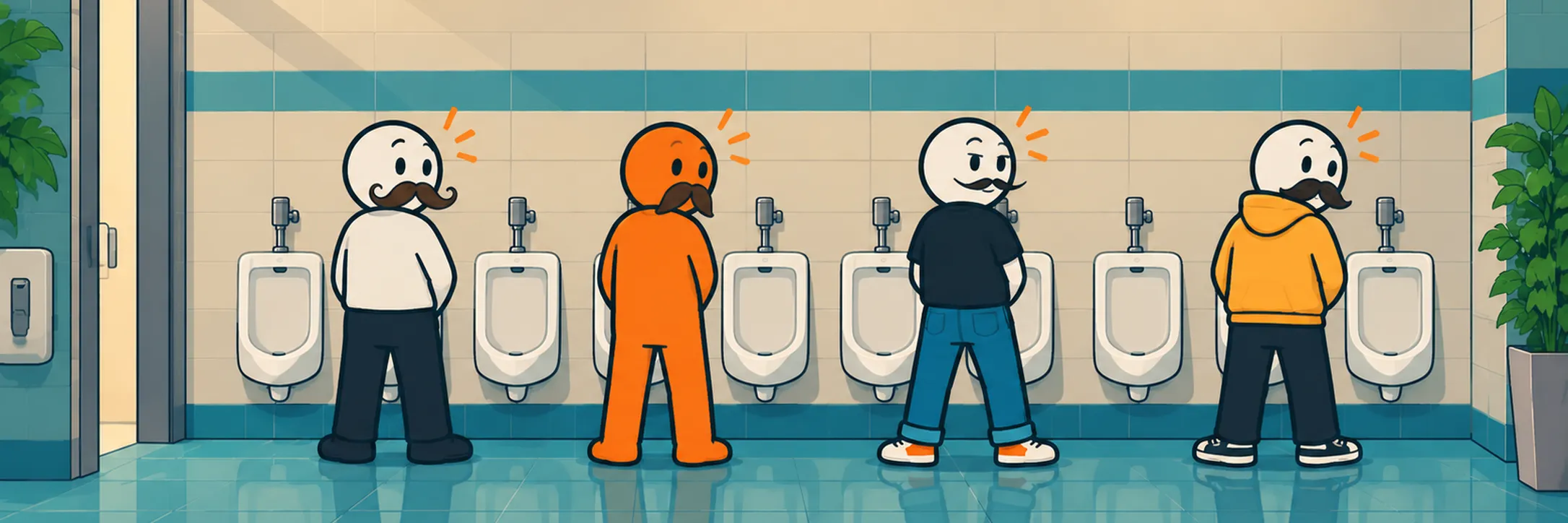
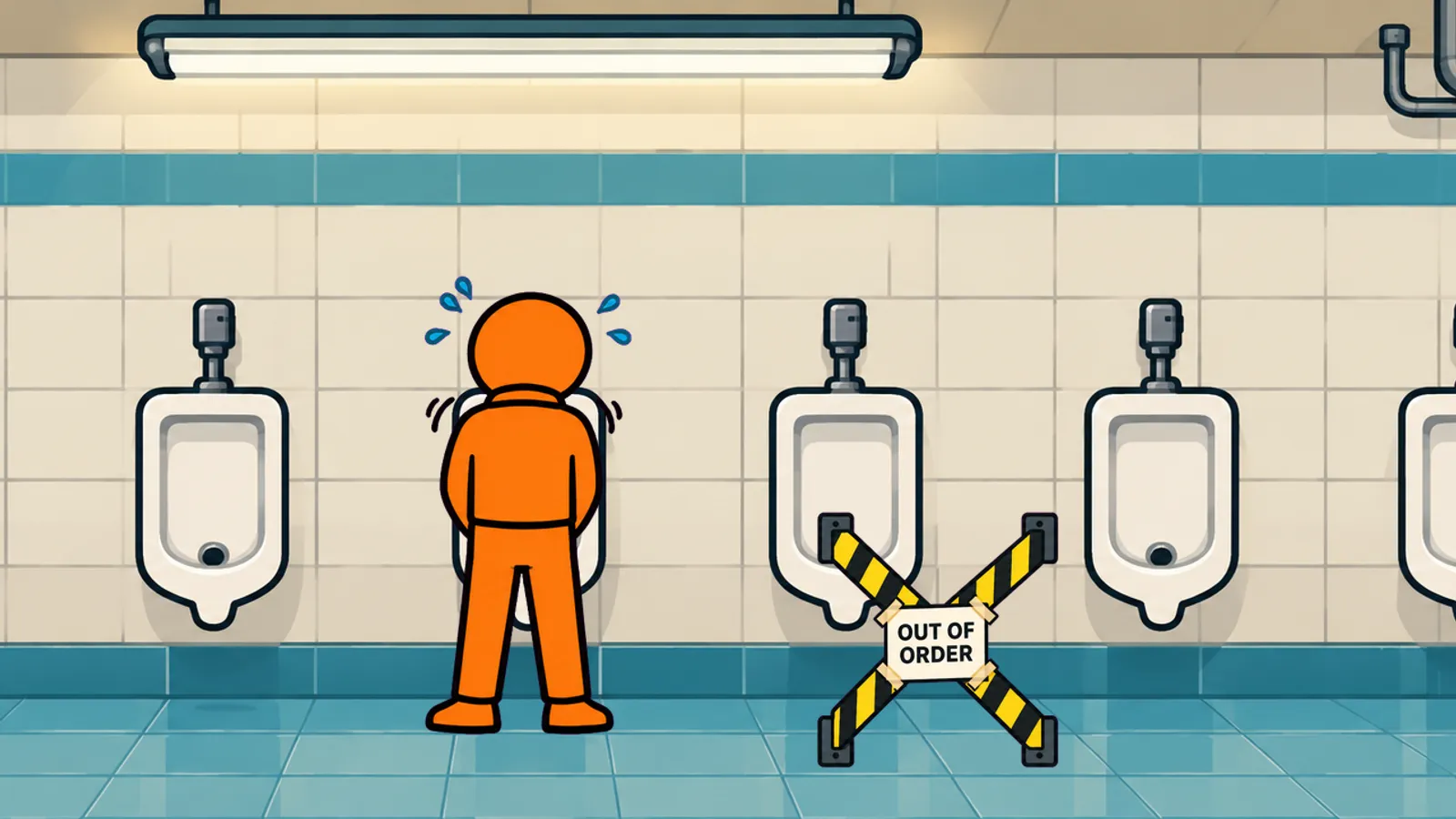
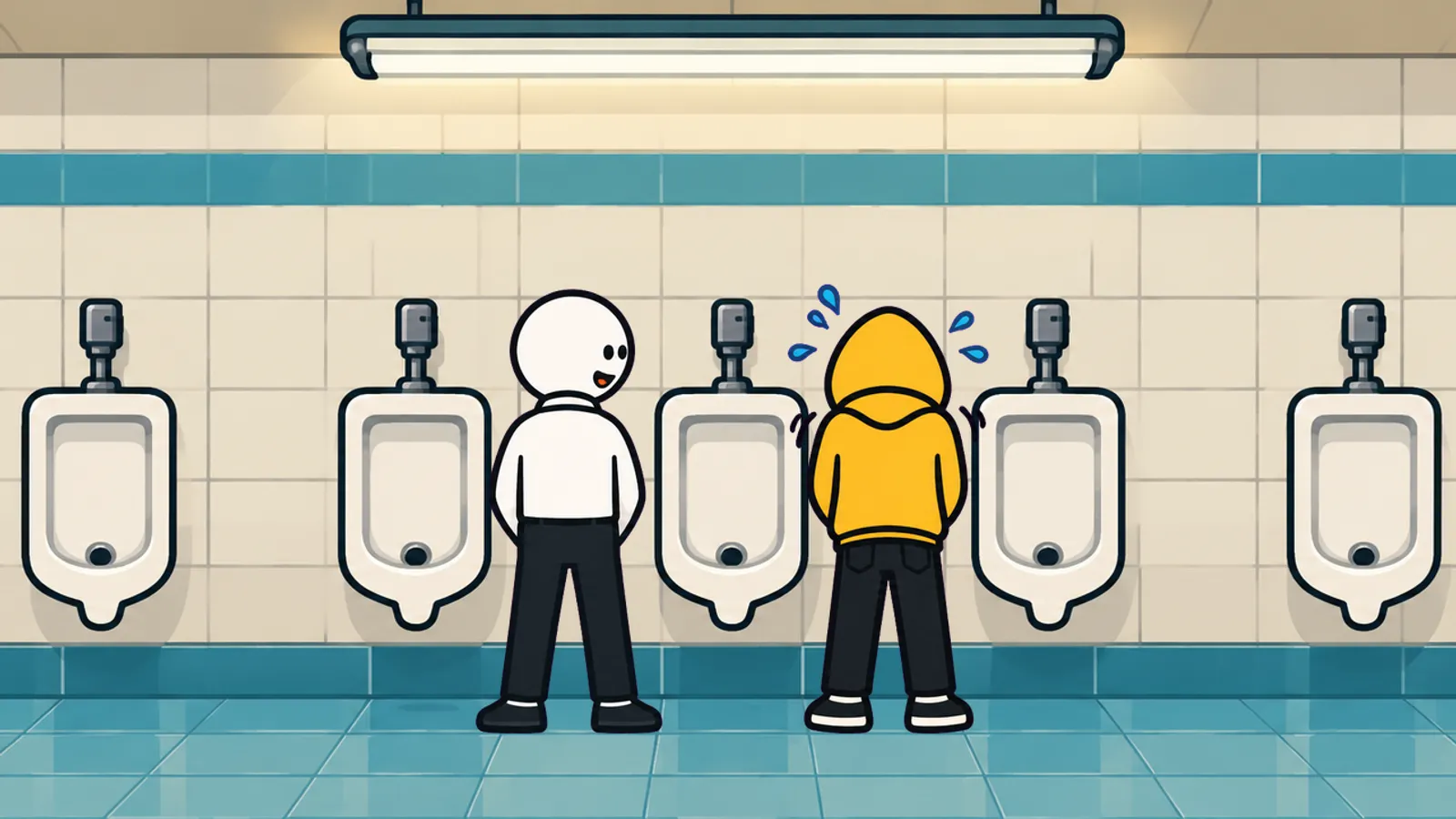
There is a rule every man knows and nobody wrote down: at the urinal, you don’t talk. Eyes on the wall, job done, nod, leave.
The trouble is that a lot of us run our friendships the same way.
The friendship recession
In 2021 the Survey Center on American Life asked people how many close friends they had, and compared it with the same question from 1990.
- In 1990, 3% of men said they had no close friends. In 2021 it was 15%. Five times as many.
- In 1990, 55% of men had six or more close friends. In 2021, 27%.
- Women’s numbers fell too, but less: 10% of women now report no close friends.
That’s American data, and it’s a few years old. But ask any man over thirty whether his group chat is as busy as it used to be.
Nobody decides to lose their friends. It happens the way a room empties: a move, a job, a wedding, kids, a knee that stops you playing football on Thursdays. The thing you did together stops, and nobody is sure whether you’re allowed to just call.
Men talk shoulder to shoulder
Here is the insight every man knows and few say out loud: we don’t do our best talking face to face. We do it in the car. On a ladder. Watching a match. Side by side, looking at the same thing.
At the first men’s shed conference in Australia in 2007, researcher Barry Golding put it in a line that stuck: men don’t talk face to face; they talk shoulder to shoulder. He said he’d overheard it from another delegate the night before.
That line is the whole idea behind men’s sheds: community workshops where men turn up to build and fix things together. They grew out of Australia in the 1990s and spread to many countries. Nobody calls it therapy. Men come for the tools and stay for the company, and sometimes a conversation happens over the workbench that never would have happened over a coffee.
Why it’s a health issue, not a soft one
Being on your own sometimes is fine. Having nobody to tell when things go wrong is not.
Men are around three times as likely as women to die by suicide in England and Wales, a gap that has held for years. There are many reasons, and friends aren’t a cure. But a mate who notices, and asks twice, is one of the few things that helps.
The same goes for physical health. The man who tells his friends he’s up four times a night is the one who gets told to see a doctor about his prostate. The man who tells no one keeps standing at the urinal, hoping.
How to get them back (the male way)
You don’t need a heart-to-heart. You need a reason to stand next to each other.
- Make it about something. Not “we should catch up”. “Five-a-side Thursday?” “Help me move a sofa?” “Watching the match at mine.”
- Put it in the calendar and repeat it. Friendships run on regular, boring, recurring things. Monthly is enough.
- Be the one who calls. Every group has a man who organises. Be him for a year. Nobody minds, everybody turns up.
- Ask twice. “How are you?” gets “fine”. “No, really, how are you?” gets the truth. It feels awkward for about four seconds.
- Find your shed. A club, a team, a workshop, a running group, a choir. Anything where men do something side by side.
- Use the moment. Movember exists to give men an excuse to talk. Grow a moustache as a team and you’ll have a group chat again by the second week.
If it’s more than lonely
If you’re struggling, tell someone. A mate, your doctor, or a helpline. In the UK and Ireland you can call Samaritans free on 116 123, any time. If you or someone else is in immediate danger, call your local emergency number.
Your move
Before you close this page, text one man you haven’t spoken to in a while. Not a long message. “Pint next week?” will do.
Then come and send us a rule only men know, or join the Regulars. We’re building something that’s ours.
This page is general information and not medical advice. If you’re worried about yourself or someone else, talk to a doctor.
Quick answers
Why do men have fewer close friends?
Surveys point to weaker ties to the places that used to bring men together, such as clubs, churches and workplaces, plus the habit of letting friendships run on shared activities that stop when life changes.
How many men have no close friends?
In a 2021 US survey, 15% of men said they had no close friends, up from 3% in 1990. The share with six or more close friends fell from 55% to 27%.
What is a men’s shed?
A community workshop where men meet to build and fix things together. The movement started in Australia and has spread to many countries. The point is the company as much as the carpentry.
Sources